“A Move” by Elahe Esmaili sheds light on a women’s movement in Iran, which focused on the wearing of hijabs. The documentary is a bit of commentary on this moment and the idea that women should wear hijabs, which appears to be a big belief of both men and older women in Iran. The documentary has a lot of different types of clips and scenes throughout. It highlights the difference between the daily life of men and women, as well as highlighting a lot of the social issues going on in Iran. The whole premise of the documentary is about a woman who refuses to wear a hijab; by doing this, she is actively taking a stand against her family and those around her.
Robert Cole brings up a number of issues and points in his introduction. He relates documentary work and the work of psychiatrists by bringing up the idea that people can not be impartial. He says that “we notice what we notice in accordance with who we are” (7). This can connect back to documentary work because it is impossible to be impartial out in the field, simply because of your identity.
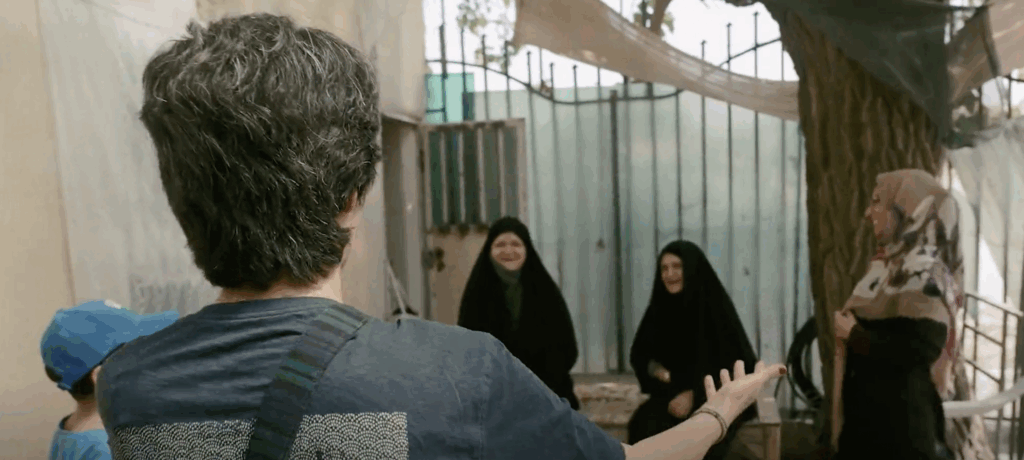
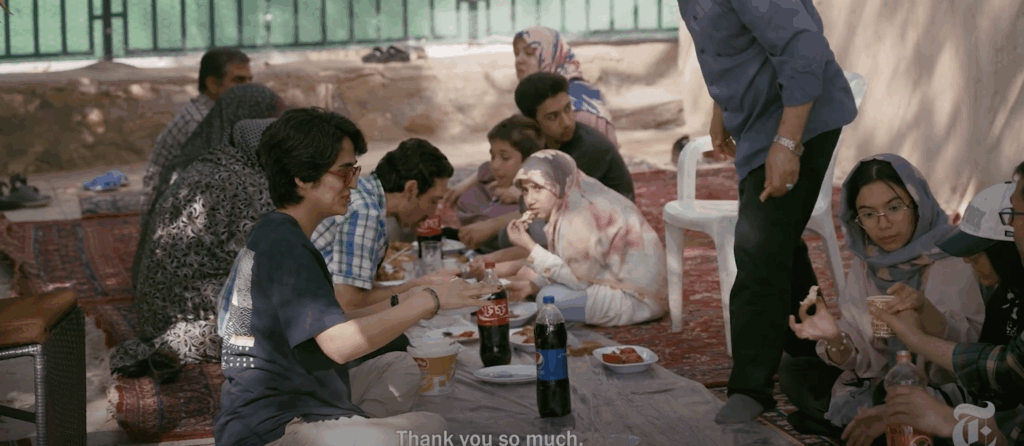
But how does Robert Cole define field? He says quite a few things about fields when it comes to documentary work. He also describes the field as “the critical matter being an attitude toward the life that surrounds one…”(14). In the case of “A Move,” the field is Elahe’s own family and friends. She is entering a place where she stands out from everyone else because of her beliefs and how she chooses to present herself. She depicts her home as one that is very traditional for Iran, and by entering the field, she is hoping to make a change and push the boundaries of what is socially acceptable for women. In many of the clips from the documentary, you can clearly see how Elahe stands out from those around her and is in stark contrast to the other women. This can further emphasize how Elahe is stepping into a place where she does not have the same attitude as those around her in order to help make a change.
Leave a Reply